


Good Knight Story
4.516.29K Reviews
App Specs
- Version
- 1.0.12
- Updated On
- License
- Free
- Downloads
- 1,000,000+
- Developer
- Turbo Chilli
- Categories
- Board
- Platform
- Android
Screenshots
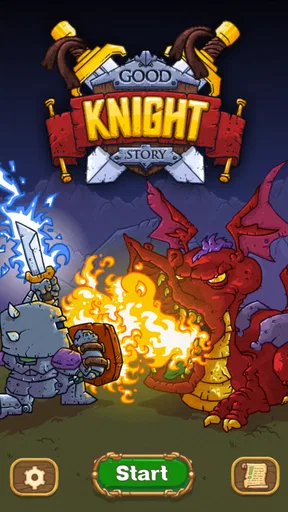
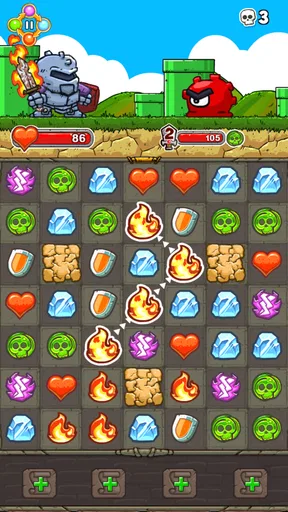
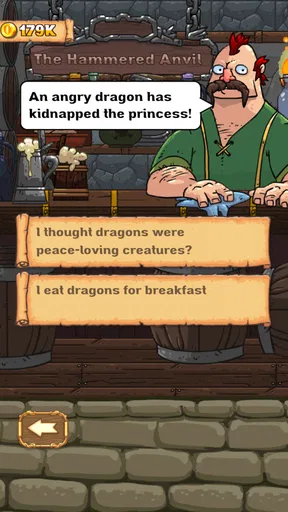
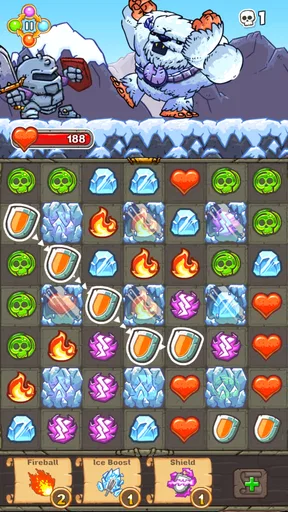
 Analysis by AppCompare
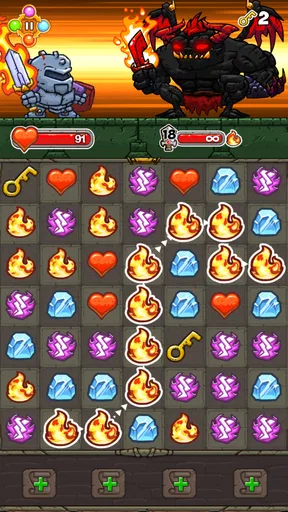
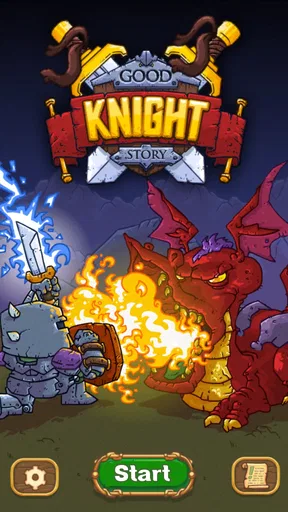
I went into Good Knight Story expecting a light match-three puzzle game with a medieval costume, but its presentation gives the familiar formula more personality than I expected. The setup is simple: a rather unlikely knight works through puzzles while facing monsters, and the game keeps that comic adventure moving through compact stages. It is free to play, available for Android, and developed by Turbo Chilli. After spending time with it, I would describe it as an approachable board game with a playful dungeon-crawling mood rather than a demanding strategy title.
That distinction matters. This is not the sort of game I would choose when I want a deep campaign, a large world to explore, or a competitive board-game experience. I would choose it when I want short puzzle sessions that still feel connected to a character and a setting. The art, sound, and pacing work together to make ordinary board clears feel like small steps in a humorous adventure. They do not replace the underlying mechanics, but they make repeated puzzle encounters easier to settle into.
The game has built a substantial audience, with an average rating of 4.5 from around 273 thousand ratings and more than 1 million installs. Those figures suggest that its straightforward approach has reached many players, but they do not mean it will suit everyone. The Teen content rating is worth keeping in mind, especially for parents choosing games for younger players. For me, the best audience is someone who likes casual puzzle games with a little character, not someone searching for a serious medieval role-playing game.
Why the first few stages work so well
The first impression is helped by how quickly the game communicates its identity. You do not need a long explanation to understand the basic relationship between the board and the knight’s adventure. Matching pieces is the immediate task, while the medieval framing gives those moves a purpose beyond clearing colored shapes. The unlikely-hero idea also keeps the tone from becoming too solemn. It feels comfortable making fun of its own fantasy setting.
I like that the game does not need a complicated premise to create momentum. A puzzle stage can feel like a small encounter, and the surrounding presentation encourages me to think of each successful board as progress through a comic quest. That is a useful choice for a mobile game because it gives even a brief session a beginning and an end. I can play for a few minutes, finish a stage, and stop without feeling that I abandoned a sprawling story.
The pacing is especially suitable for everyday interruptions. Imagine waiting for a bus, taking a short break between tasks, or sitting down after dinner with only a little energy left for something interactive. This is where the game makes sense. Its board-based structure lets me focus on one problem at a time, while the knight and monster context gives the session more flavor than a completely abstract puzzle.
There is also a practical advantage in the low learning barrier. Someone who already understands match-based mobile puzzles can begin without studying a rulebook. Someone less familiar with the genre can still recognize the basic goal quickly. That accessibility is one reason I can see it working as a shared recommendation between friends with different gaming habits. The experienced player may look for better combinations, while the newcomer can simply learn by playing.
Worth Reading Before You Choose

EA SPORTS FC Mobile 26 Is a Bigger Football Game, but It Takes Time

Flipboard Shows What News Apps Must Do Beyond the Feed

Switching to Android Auto Means Rethinking Your Driving Routine

Google Calendar Makes a Crowded Week Easier to Manage

Ludo King Makes the Most of the Minutes Between Plans

Baby Panda World Brings Quick Play to Modern Phones, but Its Game Library Feels Busy
The trade-off is that the opening simplicity may not satisfy players who want immediate complexity. The game’s appeal comes from its steady blend of puzzle decisions and presentation, not from overwhelming the player with systems. If you prefer games that reveal a large strategic layer right away, this may feel modest. I found that modesty refreshing for short sessions, but I would not mistake it for depth on the scale of a full strategy board game.
A comic medieval world built from small signals
The setting works because it is expressed through a consistent visual language rather than through long explanations. The knight, monsters, and puzzle board belong to the same playful world. The art direction does not seem interested in making the adventure grim or realistic. Instead, it uses exaggeration and humor to make danger feel entertaining. That choice keeps the game welcoming even when the board represents a battle.
For me, the strongest part of the world design is the contrast between the heroic role and the hero himself. The central character is described as unlikely, and the presentation leans into that idea. The result is a fantasy setting with a wink: the game wants me to care about progress, but it does not ask me to take every monster encounter seriously. That makes repeated stages easier to enjoy because the mood stays light rather than becoming repetitive medieval drama.
The board is also important to this world language. In many puzzle games, the board is just a neutral space where pieces disappear. Here, it represents the action of the adventure. That framing gives ordinary decisions a little more weight. I am not only looking for a convenient match; I am trying to make the next move feel like a useful contribution to the knight’s situation.
One subtle benefit of this approach is that it helps the game avoid a mismatch between story and mechanics. The premise does not promise a detailed tactical simulation, so the simple puzzle structure feels believable within the tone. A more serious story about warfare or heroic sacrifice would make the same mechanics seem thin. Good Knight Story instead uses comedy and fantasy to make the limits of the board feel intentional.
Players who want a rich lore-heavy world should adjust their expectations. The setting is there to support the puzzles, not to become a separate novel-sized experience. I would not install it for character development alone. I would install it because the character and monster framing make a familiar puzzle loop more memorable.
Sound and rhythm give the board a sense of motion
The audio direction matters because board games can become visually repetitive after several stages. In my experience, the game’s sound helps maintain the feeling that something is happening beyond the movement of pieces. Effects reinforce successful actions and give the board a more physical presence, while the broader mood supports the comic medieval atmosphere.
I pay close attention to this in short-session games. When the visual task is built from repeated matches, sound can make the difference between a satisfying chain of actions and a sequence that feels flat. Good Knight Story benefits from having an audible rhythm to its progress. Moves, reactions, and encounters feel connected, so the game does not come across as a silent grid with a fantasy skin placed over it.
The rhythm also supports the game’s pacing. A strong move should feel like it matters, but the game does not need to turn every action into a dramatic event. The light tone leaves room for quick decisions and keeps the experience moving. I can play actively when I have time, or settle into a slower pace when I am tired and simply want to solve the current board.
That said, the same rhythm may become less noticeable during long sessions. Puzzle games built around repeated actions naturally benefit from breaks, and I think this one is best enjoyed in portions rather than as an extended marathon. If I keep playing after my attention has dropped, the sound and comic framing cannot fully prevent the board loop from feeling familiar. The game’s pacing works best when I respect its short-session character.
This is also one reason I would compare it with ordinary match-three alternatives carefully. A purely abstract alternative may offer a cleaner, more focused puzzle experience, while Good Knight Story adds mood and context. I prefer the latter when I want a little escapism, but I would choose the simpler option when I want to concentrate only on optimization and board efficiency.
Where the mechanics fit the presentation
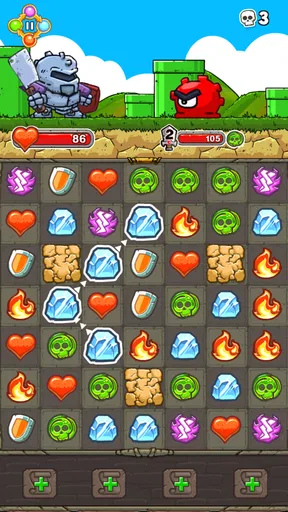
The central mechanical fit is clear: puzzle decisions are presented as actions in a monster-battling adventure. That connection gives the board a reason to exist and gives the setting a playable role. I am not just watching a knight move through a story; my choices are the way the adventure advances. Even when the underlying action is familiar, the framing encourages me to think about the result as part of a larger encounter.
A useful habit is to avoid treating every available match as equally valuable. I found the game more engaging when I paused briefly to consider what a move would open next, rather than clearing the first obvious option automatically. This is not about turning the game into a demanding calculation exercise. It is about using the board’s limited space and the order of moves to create a better sequence. That small change makes the puzzle side feel more deliberate.
Another practical tip is to play with the game’s pacing instead of rushing through every stage. Quick moves are tempting when the board looks simple, but taking a moment to scan for a stronger continuation can make the difference between a merely acceptable turn and a satisfying one. The medieval presentation encourages action, yet the best experience comes from combining that sense of momentum with a little patience.
The game is also a good fit for players who enjoy visible cause and effect. A match produces an immediate response, and that response is tied to the knight’s encounter. This makes the game easy to understand while still leaving room for improvement. I can see why a casual player might enjoy it after one session, while a more experienced puzzle fan can begin looking for cleaner solutions and more efficient choices.
Its limitations become clearer when I compare it with deeper board-game adaptations. A traditional digital board game may offer more long-term planning, more varied player interaction, or a stronger sense of agency across a complete match. Good Knight Story is more personal and more immediate, but it is also narrower. The board is designed around the game’s adventure loop, so it should not be judged as a substitute for a full tabletop strategy experience.
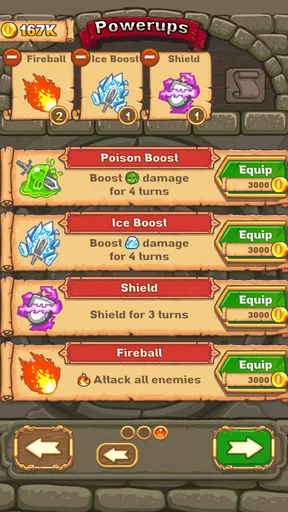
The free entry point is helpful for trying the game without commitment. However, in-app purchases range from $0.99 to $29.99 per item, so I would approach spending carefully. My advice is to first decide whether the basic puzzle rhythm is enjoyable on its own. If the core loop already works for you, optional purchases may feel easier to evaluate. If the board itself is not holding your attention, spending more is unlikely to solve that problem.
The current version is 1.0.12, and the game requires Android 7.0 or later. That makes checking device compatibility a sensible step before installing, particularly on an older phone or tablet. I would also remember that the Teen rating means this is not automatically a child-focused game, even though its humorous style can look approachable. The tone is playful, but parents should still make their own judgment about suitability.
Who will enjoy it, and who should look elsewhere
I would recommend this game to someone who likes match-based puzzles but wants a little narrative flavor around them. It is especially suitable for players who enjoy charming fantasy presentation, short stages, and a hero who does not take himself too seriously. It can also work for people who find completely abstract puzzle boards dull but do not want the commitment of a large role-playing game.
It is less suitable for anyone seeking a serious action game. The premise mentions battling monsters, but the battle feeling comes through the puzzle structure and presentation rather than through direct combat controls. Players expecting real-time swordplay, exploration, or character-building should choose a different kind of game. The same applies to people who need constant mechanical reinvention; the appeal here depends on enjoying the core board loop as it develops.
Compared with a standard match-three title, this game’s advantage is atmosphere. The knight, monsters, art direction, and sound give the matches a coherent reason and mood. Compared with a story-driven role-playing game, its advantage is convenience: I can reach the playable part quickly and enjoy progress without managing a large collection of systems. The compromise is that neither side is taken to its extreme. It is not the deepest puzzle game or the richest fantasy adventure.
For an everyday use case, I would keep it as a break-time game rather than a primary evening game. A few stages during a commute or while waiting for food can feel satisfying because the board provides a clear focus and the adventure gives the session a little shape. If I had an uninterrupted evening and wanted a major experience, I would probably move to a more expansive game instead.
One thing I appreciate is that the presentation gives me a reason to return without pretending that every return is a major story event. The game can be enjoyed as a small routine: open it, solve a few puzzles, enjoy the reactions, and stop. That honesty of scale is valuable. It does not need to become an all-day hobby to justify its place on a phone.
My atmosphere verdict after looking past the novelty
Good Knight Story succeeds because its art direction, sound, setting, and pacing point in the same direction. Everything supports a light medieval adventure where puzzle moves stand in for heroic actions. The result is more coherent than a generic board game with a fantasy label attached. I can feel the intended mood in the way the unlikely knight and monster encounters frame the board, and that mood helps the mechanics remain inviting.
My main reservation is not a flaw in execution so much as a question of appetite. The game asks me to enjoy a familiar puzzle structure for a long time, with its atmosphere providing much of the extra motivation. If I want intricate strategy or a more substantial campaign, I will eventually need something else. If I want a friendly, free puzzle game that turns small decisions into comic fantasy progress, it is a much better match.
Turbo Chilli has made a board game that understands the value of presentation without burying the playable part. I would recommend trying it free, playing slowly enough to notice the board’s opportunities, and judging it by the quality of its short sessions rather than by expectations borrowed from role-playing games. The best reason to play is the combination of approachable puzzles and a consistently playful mood.
For me, that combination earns it a place among casual mobile games worth sampling. The 4.5 average and broad install base show that many players have connected with its approach, but the more useful conclusion is personal: choose it when you want puzzle progress wrapped in a comic knightly journey, and skip it when you need deep strategy, direct combat, or a large world to explore.
Pros
- Simple controls make it easy to play with one hand.
- Short levels fit well into quick breaks or commutes.
- Colorful visuals give the game a cheerful
- accessible style.
- Progression provides new challenges beyond the opening stages.
- The fantasy setting adds charm without requiring complex tutorials.
Cons
- Some stages may feel repetitive after extended play sessions.
- Difficulty can rise sharply in later levels.
- Limited gameplay variety may reduce long-term appeal.
- Ads or in-app purchases may interrupt the overall experience.
- The game may require patience when replaying difficult sections.
FAQs for Good Knight Story
What is Good Knight Story?
Good Knight Story is a casual match-three puzzle adventure for Android and iOS. You play as a knight moving through humorous fantasy-themed levels by matching three or more identical items. Each stage has specific objectives, obstacles, and limited moves, so success depends on planning combinations rather than simply matching tiles as quickly as possible.
How does the gameplay work in Good Knight Story?
The main gameplay is based on swapping adjacent pieces to create matches and trigger attacks, collect items, or complete level goals. Larger combinations can produce special effects that clear multiple tiles or damage several enemies at once. As the adventure progresses, levels introduce tougher opponents, blocked spaces, and more demanding objectives that require careful use of every move.
Can Good Knight Story be played offline?
Many of the puzzle stages in Good Knight Story can generally be enjoyed without a continuous internet connection, which makes the game suitable for short sessions while traveling or when mobile data is unavailable. However, features such as advertisements, purchases, updates, cloud-related services, or certain online functions may require connectivity, so offline access can vary by device and version.
Is Good Knight Story free to download and play?
Good Knight Story is typically available as a free download, allowing players to begin the adventure without paying an upfront purchase price. Like many casual puzzle games, it may include optional in-app purchases and advertising. These can provide extra resources or convenience, but they are not necessarily required to experience the core levels, provided you are comfortable progressing at a slower pace.
Is Good Knight Story suitable for children?
Good Knight Story uses colorful cartoon graphics, light fantasy combat, and humorous presentation rather than realistic violence, making it approachable for a broad audience. Nevertheless, parents should review the store rating and device settings before installation, especially because the game may contain advertisements, optional purchases, or links to external services. Younger players may also benefit from purchase restrictions.


